The Complete Guide to Understanding the Cost of Dental Implants in Modern Healthcare
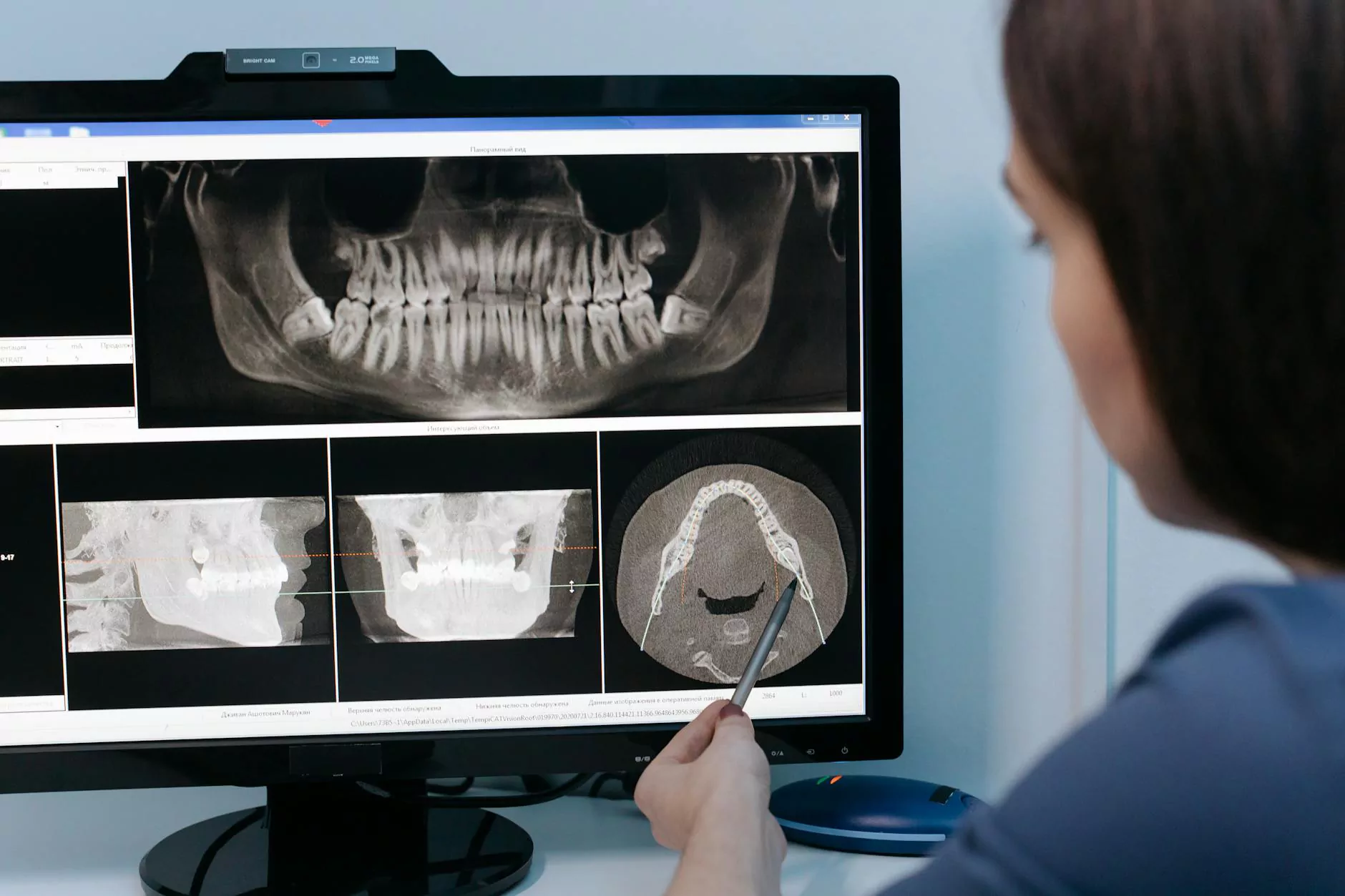
When it comes to restoring your smile and improving your oral health, dental implants are revolutionizing the field of dentistry. Not only do they provide a permanent and natural-looking solution for missing teeth, but they also enhance overall well-being and boost confidence. However, one of the most common concerns among prospective patients is the cost of dental implants. This comprehensive guide aims to demystify the factors influencing the pricing, the benefits of dental implants, available options, and practical tips to make informed decisions about your oral health care.
Understanding Dental Implants: An Overview
Dental implants serve as artificial tooth roots, typically made from biocompatible materials such as titanium, which are surgically inserted into the jawbone. Once integrated, they provide a stable base for attaching crowns, bridges, or dentures. The process involves several steps including consultation, surgical placement, osseointegration, and the placement of the prosthetic tooth.
Advantages of dental implants include superior functionality similar to natural teeth, preserved jawbone structure, prevention of facial sagging, durability, and long-term cost-effectiveness. Despite these benefits, the initial investment varies significantly depending on multiple factors.
Factors Affecting the Cost of Dental Implants
Understanding what influences the cost of dental implants helps patients plan financially and choose the right treatment plan. Below are the major factors:
1. Location of the Dental Practice
The geographic location of the dental clinic greatly impacts the overall expense. Urban centers and regions with higher living costs often have higher procedure fees due to operational costs and practitioners' expertise.
2. Number of Implants Needed
The total number of implants required correlates directly with the total cost. Single-tooth replacements are less costly than multiple implants or full-mouth restorations, which involve complex procedures like All-on-4 or full-arch prostheses.
3. Type of Implant and Materials Selected
Different implant brands and materials vary in price. Premium implant systems with advanced surface technologies or special coatings may cost more but can offer enhanced osseointegration and longevity.
4. Additional Procedures Required
Bone grafting, sinus lifts, or tissue regeneration may be necessary if jawbone density is insufficient, adding to the overall expense. These auxiliary treatments are crucial for ensuring implant success and stability.
5. Dental Professional’s Experience and Expertise
Highly experienced oral surgeons or prosthodontists tend to charge higher fees, but their expertise significantly increases the chances of successful outcomes and minimizes complications.
6. Diagnostic and Planning Costs
High-quality imaging such as CBCT scans and digital planning tools are vital for precise implant placement. These diagnostic services contribute to the initial costs but are critical for avoiding future complications.
Breaking Down the Typical Costs Involved
While prices can vary, understanding the typical cost ranges helps set realistic expectations. Here is an approximate breakdown of expenses involved in dental implant treatment:
- Initial Consultation & Diagnostics: $100 - $500
- Surgical Placement of Implants: $1,000 - $3,000 per implant
- Abutment and Prosthetic Tooth: $500 - $2,000 per unit
- Additional Procedures (Bone Graft, Sinus Lift): $500 - $3,000+
- Follow-up and Maintenance: $100 - $300 annually
In total, the average cost of dental implants can range from $3,000 to $6,000 per tooth. Multiple implants or full-arch restorations may increase the total expenses accordingly.
Are Dental Implants Worth the Investment?
Many patients wonder if dental implants provide value for money. The answer lies in their numerous benefits:
Longevity and Durability
With proper care, dental implants can last 25 years or more, making them a cost-effective solution over traditional dentures or bridges which may require frequent replacements.
Improved Oral Health
Implants help preserve jawbone density, prevent facial collapse, and maintain the natural structure of your face, reducing the need for reconstructive surgeries later in life.
Enhanced Functionality
Unlike dentures, implants do not slip or cause discomfort, restoring normal biting force and speech clarity, which significantly improves quality of life.
Confidence and Aesthetics
A natural-looking smile enhances self-esteem and social interactions, making the investment in implants worthwhile for many patients.
Affordable Options and Financing for Dental Implants
Since the upfront costs can be intimidating, many dental clinics and healthcare providers offer financing options, payment plans, or dental insurance that covers part of the treatment. Here are some strategies:
- Check with your dental provider about in-house or third-party financing plans.
- Use health savings accounts (HSAs) or flexible spending accounts (FSAs) for tax-advantaged funding.
- Compare costs and services at different clinics through detailed consultations.
- Explore dental discount plans or promotional offers when available.
Investing in dental implants not only restores your smile but also adds value to your overall health and well-being. Being proactive regarding financial planning ensures that high-quality treatments are accessible and affordable.
Choosing the Right Dental Care Provider for Your Implants
To optimize outcomes, selecting a reputable and experienced dental professional is vital. When evaluating potential providers, consider:
- Qualifications and Certifications: Ensure the dentist or oral surgeon specializes in implantology and has relevant experience.
- Patient Testimonials and Reviews: Read feedback from previous patients regarding success rates and customer satisfaction.
- Technology and Facilities: Modern clinics equipped with advanced imaging and surgical tools can improve precision and safety.
- Cost Transparency: Seek clear and detailed explanations of all costs involved to avoid unexpected expenses.
Optimize Your Investment at wupdoc.com
For those seeking high-quality, affordable dental care, wupdoc.com offers access to top-tier Doctors, Health & Medical, Medical Centers specializing in dental implant procedures. Their extensive network ensures that you get expert advice, personalized treatment plans, and transparent pricing, empowering you to make the best decisions for your oral health.
The Future of Dental Implants: Innovations and Trends
As dental technology advances, new materials, digital planning, and minimally invasive surgical techniques continue to reduce costs and improve patient outcomes. Notable trends include:
- Computer-Guided Implant Surgery: Enhances precision, reduces chair time, and minimizes postoperative discomfort.
- Loading Implants: Immediate placement and restoration techniques allow for quicker treatment completion.
- Implant Materials: Research into bioactive coatings and alternative materials aims to extend implant lifespan and reduce complications.
Your Journey to a Confident Smile Begins Today
Investing in dental implants is a commendable decision that can transform your life, restoring function and aesthetics while contributing to overall health. By understanding the various facets influencing the cost of dental implants and seeking expert guidance, you can access optimal, long-lasting solutions tailored to your needs.
Remember, your smile is an investment in yourself. With the right information, professional support, and financial planning, achieving that perfect smile is within reach. Don't wait – take the first step toward a healthier, happier future now.