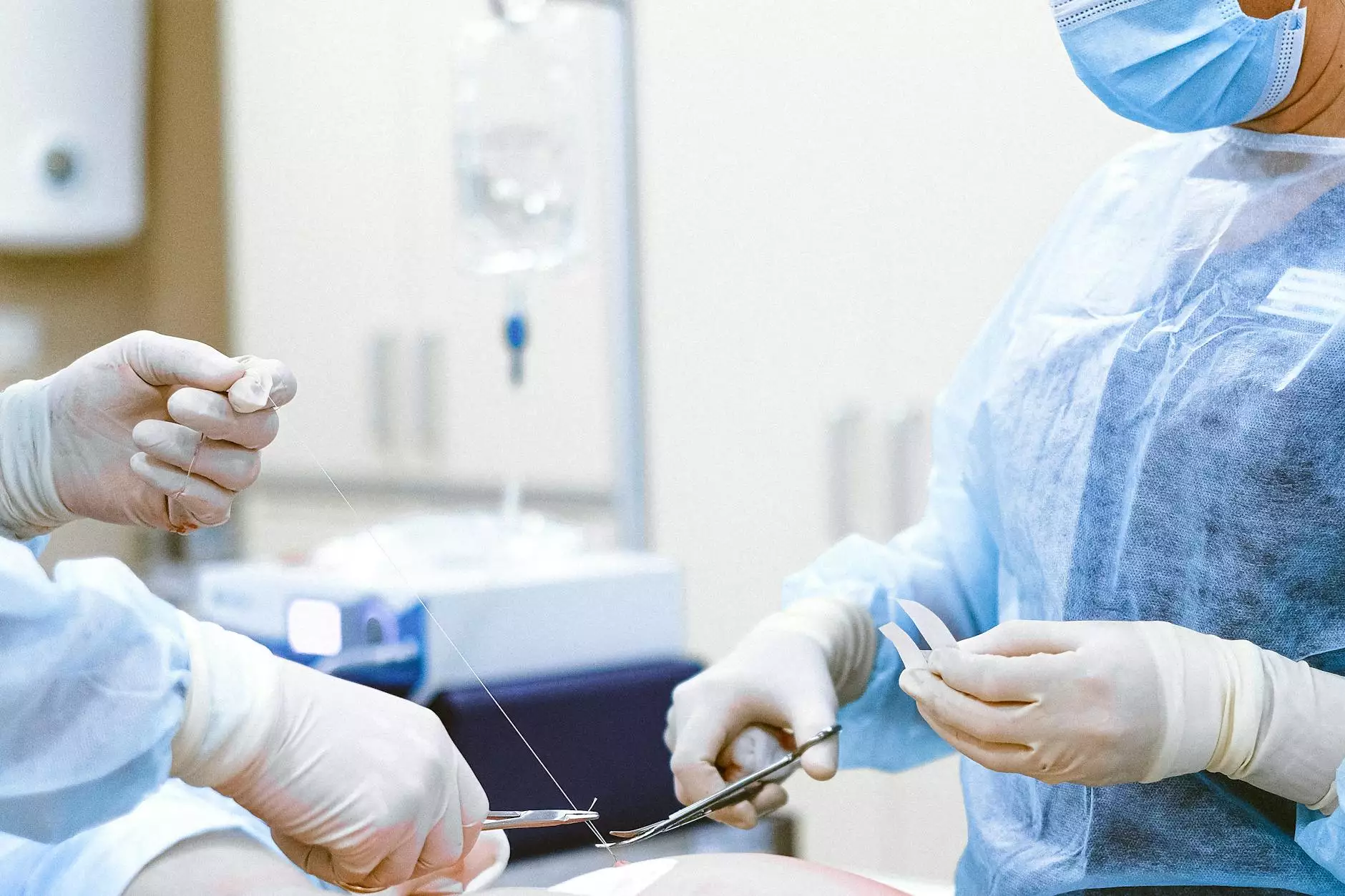
The Future of Healthcare: Mobile Operating Theatre Solutions

The healthcare industry is constantly evolving, striving to deliver better services and outcomes for patients. Among the myriad of innovations, the implementation of the mobile operating theatre is emerging as a pivotal advancement that ensures surgical care reaches more patients effectively and efficiently. This article delves into the features, advantages, and future prospects of mobile operating theatres, positioning them as a critical component in modern health and medical practices.
Understanding Mobile Operating Theatres
A mobile operating theatre refers to a specialized, transportable facility equipped to perform surgical procedures. These units are particularly beneficial in areas with limited access to traditional healthcare infrastructure or in situations where rapid response is essential.
Advantages of Mobile Operating Theatres
The deployment of mobile operating theatres presents numerous advantages that can significantly impact both healthcare providers and patients. Below are some key benefits:
- Accessibility: Mobile theatres facilitate surgical care in rural or underserved areas, making essential healthcare services accessible to a larger population.
- Rapid Deployment: These units can be quickly transported to disaster sites or regions experiencing healthcare shortages, enabling immediate medical response.
- Cost-Effectiveness: By minimizing the need for expensive infrastructure, mobile operating theatres can operate at lower costs, which can translate into savings for healthcare systems and patients alike.
- Enhanced Infection Control: Modern mobile theatres utilize advanced technology and design, creating a sterile environment that minimizes infection risks during surgical procedures.
- Flexibility: These theatres can be adapted for a variety of surgical procedures, from routine operations to specialized interventions, fulfilling diverse healthcare needs.
Key Features of Mobile Operating Theatres
Mobile operating theatres are designed with several crucial features that ensure they are equipped to deliver safe and effective surgical care:
High-Quality Surgical Equipment
Mobile theatres come fully equipped with state-of-the-art surgical instruments, anesthesia machines, and monitoring devices, ensuring that all necessary tools are available for various procedures.
Advanced Communication Technology
Integrating telemedicine capabilities, mobile operating theatres can facilitate consultations with specialists or remote monitoring, enhancing collaborative care.
Environmental Controls
These units are equipped with heating, ventilation, and air conditioning (HVAC) systems that maintain optimal operating conditions, ensuring patient safety and comfort.
Modular Design
Mobile operating theatres often feature a modular design, allowing for quick setup and customization based on the specific surgical requirements and available space.
Mobile Operating Theatres in Action
Across the globe, mobile operating theatres are making a difference in numerous ways. Here are several real-world applications illustrating their impact:
Disaster Response
Following natural disasters, mobile operating theatres can be deployed to provide urgent surgical care. For instance, after the 2010 Haiti earthquake, mobile operating theatres were instrumental in treating hundreds of patients, demonstrating their critical role in humanitarian efforts.
Rural Healthcare Initiatives
In many developing countries, mobile operating theatres travel to remote villages to perform surgical procedures, addressing the challenges posed by a lack of permanent medical facilities.
Event Medicine
During large public gatherings or sporting events, mobile operating theatres can be set up to provide immediate care for injuries, ensuring timely treatment in case of emergencies.
The Role of Technology in Mobile Operating Theatres
Technological advancements play a crucial role in enhancing the efficiency and effectiveness of mobile operating theatres:
Telemedicine Integration
Telemedicine allows mobile operating theatre teams to connect with experts remotely, ensuring that they have access to real-time advice and consultation.
Robotics and Minimally Invasive Surgery
The adoption of robotic technologies allows for precision in surgical procedures, significantly reducing recovery times and patient discomfort.
The Future of Mobile Operating Theatres
The future of mobile operating theatres looks promising as they continue to evolve with advancements in technology and healthcare practices. Key trends indicate:
- Increased Adoption: As awareness of their benefits grows, more healthcare facilities are likely to invest in mobile operating theatres.
- Enhanced Customization: Future mobile theatres will feature even greater customization options to meet specific regional healthcare needs.
- Sustainability Initiatives: As environmental concerns rise, the development of eco-friendly mobile theatres is likely to become a focus, with a push towards energy efficiency and waste reduction.
- Training Opportunities: Mobile theatres will increasingly be used for training medical professionals, providing a hands-on experience in surgical procedures.
Conclusion
In summary, mobile operating theatres represent a significant leap forward in delivering surgical care to populations in need. Their capacity to provide accessible and efficient healthcare solutions in diverse settings is unparalleled. As innovations in technology and design continue to advance, the role of mobile operating theatres will only become more indispensable in the global healthcare landscape.
Call to Action
For healthcare professionals and organizations looking to improve surgical access and patient care, investing in a mobile operating theatre is a forward-thinking solution that promises to enhance service delivery. Explore the opportunities that mobile operating theatres offer and join the movement towards progressive, patient-centered healthcare.
For more information on innovative healthcare solutions, visit odulair.com.